Upcoming Sessions
- There are no upcoming sessions scheduled
See All Upcoming Sessions
.jpg)
PRESENTERS Attendees will hear from experts in their fields, including: Sharon Dundon, R&D Manager, Meat & Livestock Australia John Langbridge, GM Corporate & Industry Affairs, Teys Australia Melissa George, Consulting Veterinarian and Research Scientist, Bovine Dynamics Ben Wieland, Livestock Logistics & Relationship Officer, Kilcoy Global Foods Jennifer Rotili, Manager, Codes of Practice Regulatory Policy and Standards National Heavy Vehicle Regulations Cara Lauder, System Manager, New Zealand Transport Agency TOPICS Fit to load - managing expectations from when the cattle leave the feedlot, during transportation and arrival at the abattoir; the challenges and remedies. Short Duration Lairage & Truck Effluent Research Projects Outcomes - Key findings: impact on carcase quality, MSA and food safety, and the economic benefits gained. Processor perspective - Implementation of short lairage at Kilcoy National Heavy Vehicle regulator – rules and regulations Truck effluent dumps; New Zealand perspective - Information on the network of truck effluent dumps in New Zealand Read more
Rating
Content
Price

.jpg)
ALFA in collaboration with MLA conducted a webinar focused on shedding light on the benefits of partial covered housing systems in Australian feedlots. The free webinar provided valuable insights into the decisions surrounding the implementation or upgrading of shade and shelter infrastructure within feedlots. For lot feeders considering retrofitting existing feedlot pens with either shade or shelter, partial coverage is a very viable option backed by solid data on improved performance and animal welfare emerging from studies, which will be presented as part of the webinar. Learn from out presenters: Dr Melissa George - Veterinary Consultant and Research Scientist - Bovine Dynamics Chris Gibson - Long Gully Feedlot VIC Dr Joe McMeniman - MLA Program Manager - Feedlot Dr Matt Van der Saag - MLA Feedlot Project Manager Jeff House - ALFA/MLA Technical Services Officer Read more
Rating
Content
Price
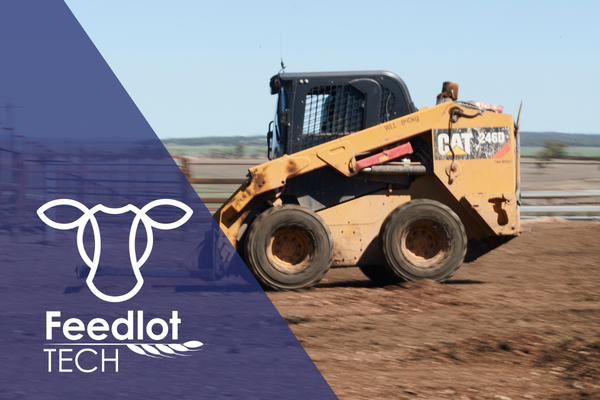
Pen cleaning and manure management are essential activities in feedlot operations that directly influence cattle welfare, productivity, workplace safety, and environmental performance. Effective management of pens and manure helps maintain comfortable conditions for cattle, supports feed efficiency and weight gain, and reduces environmental and biosecurity risks across the site. This course provides an overview of best-practice pen cleaning and manure management in Australian feedlots, including when and how pens should be cleaned, safe machinery operation, manure handling and storage, and key environmental considerations. Read more
Rating
Content
Price

ALFA Pen Cleaning, Manure & Environmental Management Workshop Bringing the Waste Management and Utilisation Manual to life to improve health and welfare of grain fed cattle. Workshop Presented by ALFA in March 2021. This course includes online access to the recordings of the workshops, for feedlots who attended the sessions. Workshop presenters include: Rod Davis Robyn Tucker Joe McMeniman Lot feeder case studies Read more
Rating
Difficulty
Content
Price

This course is part of the Pen Riding: Mastering the Fundamentals online skills training Discover pen riding processes and adopt best practices to enhance animal wellbeing, safety, time efficiency and feedlot success. Learn to select optimal inspection times, recognise high challenge pens, use efficient pen riding patterns, identify health issues and document them following feedlot protocols. This online course covers pen riding best practices. After completion of the online training, an on the ground competency assessment is available so you can demonstrate your skills and competency in this area. This E-learning series has been by funded grain-fed levies and matching federal government R&D contributions in consultation with the Australian Lot Feeders’ Association. Read more
Rating
Content
Price

This course provides all of the Pen Riding Fundamentals modules in one place. This course includes: 1. Foundations of Pen Riding 2. Pen Riding Best Practice 3. Identifying Animal Health Issues 4. Understanding Animal Health Issues 5. Removing an Animal from the Pen 6. Basic Horse Husbandry Read more
Rating
Content
Price
Shopping Cart
Your cart is empty